7 costly mistakes to avoid when setting up your company in Dubai should be on every entrepreneur’s checklist before starting a business in the UAE. Dubai is one of the most attractive business hubs in the world, offering 100% foreign ownership in free zones, a tax-friendly environment, and unmatched global connectivity. However, despite its advantages, many new entrepreneurs make common errors that can cost them money, time, and even legal troubles.
7 costly mistakes to avoid when setting up your company in Dubai
1. Choosing the Wrong Business Structure
The first of the 7 costly mistakes to avoid when setting up your company in Dubai is choosing the Wrong Business Structure . Dubai offers various options, such as Free Zone, Mainland, or Offshore setups, each with unique benefits and limitations.
Free Zone: Ideal for 100% foreign ownership but restricts trading within the UAE mainland.
Mainland: Allows trading across the UAE but may require a local sponsor.
Offshore: Suited for international operations but not for local business activities.
Tip: Research each structure thoroughly and consult with a local business advisor to align your choice with your goals.
2. Ignoring Licensing Requirements
Every business in Dubai requires a specific license, whether commercial, professional, or industrial. Failing to secure the correct license or misunderstanding the activity scope can result in fines or delays.
Confirm the exact activities your business will undertake.
Apply for the appropriate license through the Department of Economic Development (DED) or Free Zone Authority.
Renew licenses on time to avoid penalties.
Tip: Work with a licensing expert to streamline the process and ensure compliance.
3. Underestimating Costs and Budgeting Poorly
Many entrepreneurs misjudge the costs of setting up in Dubai, from registration fees to office space and visa expenses. Hidden costs, like translation fees for legal documents, can also add up.
Create a detailed budget covering setup, operational, and unexpected costs.
Factor in ongoing expenses like rent, utilities, and employee salaries.
Explore cost-effective options, such as virtual offices in Free Zones.
Tip: Use a financial planner to estimate costs accurately and maintain a contingency fund.
4. Neglecting Local Laws and Cultural Nuances
Dubai’s legal and cultural landscape differs significantly from other countries. Ignoring regulations or cultural sensitivities can harm your business reputation or lead to legal issues.
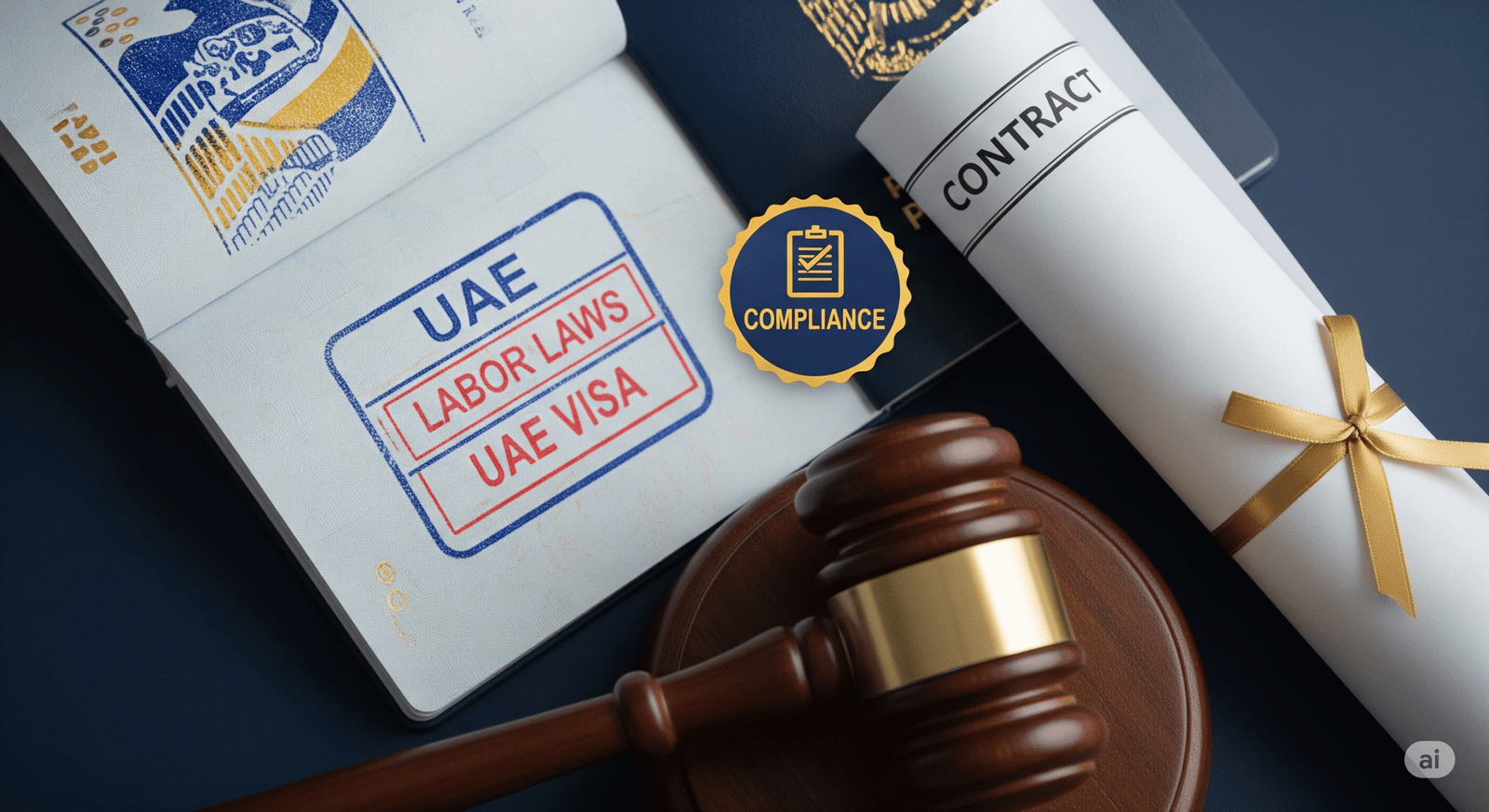
Understand UAE labor laws, including employee rights and visa regulations.
Respect cultural norms, such as business etiquette and dress codes.
Ensure all contracts and agreements comply with local laws.
Tip: Partner with a local consultant to navigate legal and cultural requirements effectively.

5. Skipping Market Research
Assuming your business model will work in Dubai without proper research is a recipe for failure. The market is competitive, and consumer preferences vary.
Analyze your target audience and their needs.
Study competitors to identify gaps and opportunities.
Test your product or service through pilot projects or surveys.
Tip: Leverage resources like the Dubai Chamber of Commerce for market insights and trends
6. Overlooking Visa and Sponsorship Processes
Visa regulations in Dubai are stringent, and errors in the application process can cause delays or rejections. Additionally, some business structures require a local sponsor, which can complicate ownership.
Understand visa quotas based on your business size and structure.
Ensure all documents, like passports and certificates, are attested correctly.
Clarify sponsor agreements to avoid future disputes.
Tip: Use a PRO (Public Relations Officer) service to handle visa and sponsorship paperwork efficiently.
7. Failing to Plan for Long-Term Growth
Focusing solely on the setup phase without a long-term strategy can limit your business’s potential. Dubai’s market evolves rapidly, and scalability is key.
Choose a location that supports future expansion, such as scalable Free Zone offices.
Invest in technology to streamline operations and stay competitive.
Build a network of local partners and industry contacts.
Tip: Develop a five-year business plan to guide growth and adapt to market changes.
Conclusion
Setting up a company in Dubai offers immense opportunities, but avoiding common pitfalls is crucial for success. By choosing the right business structure, securing proper licenses, budgeting wisely, and respecting local laws and culture, you can establish a thriving business. Ready to take the next step? Share your thoughts in the comments, explore our resources for entrepreneurs, or contact a Dubai business consultant today to kickstart your journey with confidence.