The United Arab Emirates stands as one of the world’s most dynamic trading hubs, with Dubai and Abu Dhabi serving as gateways connecting East and West. For businesses interested in Importing to UAE, understanding the nuances of bringing products through different jurisdictions can make the difference between success and costly mistakes.
Whether you’re a seasoned entrepreneur or a newcomer to international trade, choosing between Free Zone and Mainland setup for your Importing to UAE operations is a critical decision that will impact everything from your operational flexibility to your bottom line. This comprehensive guide will walk you through both options, helping you make an informed choice that aligns with your business goals.
Understanding UAE's Business Landscape
The UAE offers two primary business setup options for importers: Free Zones and Mainland companies. Each comes with distinct advantages, regulatory requirements, and operational frameworks that cater to different business models and strategic objectives.
Free Zones are designated economic areas with special regulations designed to attract foreign investment, while Mainland companies operate under UAE federal commercial law with broader market access but different ownership structures.
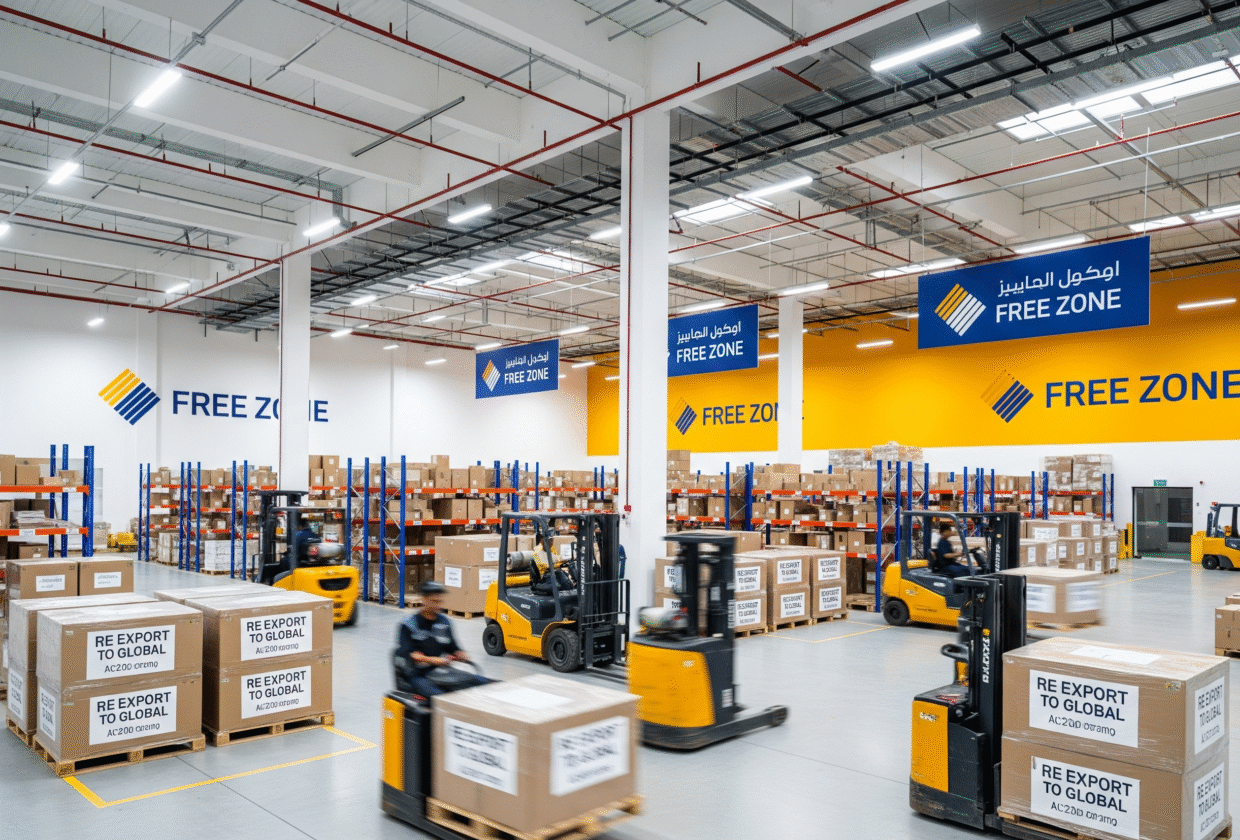
Free Zone Import Operations: Maximum Flexibility, Minimum Restrictions
Key Advantages of Free Zone Setup
100% Foreign Ownership
Free Zones allow complete foreign ownership of your import business, giving you full control over operations, profits, and strategic decisions without requiring a local partner or sponsor. This makes Importing to UAE through Free Zones especially attractive for international entrepreneurs.
Tax Benefits
Most Free Zones offer zero percent corporate and personal income tax for extended periods, often renewable. This tax advantage can significantly improve your profit margins and cash flow, making Importing to UAE a cost-effective business opportunity.
Streamlined Procedures
Free Zone authorities typically provide one-stop services for licensing, customs clearance, and regulatory compliance, reducing bureaucratic delays and administrative burden. Entrepreneurs focused on Importing to UAE benefit from this efficiency when scaling operations.
Enhanced Trade Facilitation
Many Free Zones offer dedicated ports, airports, and logistics infrastructure specifically designed for efficient import and export operations. This makes Free Zones ideal hubs for Importing to UAE at both small and large scales.
Popular Free Zones for Import Business
Jebel Ali Free Zone (JAFZA): The largest and most established Free Zone, offering direct access to Jebel Ali Port, the region’s busiest container port. Ideal for large-scale Importing to UAE operations requiring extensive warehousing and distribution capabilities.
Dubai Multi Commodities Centre (DMCC): Specializes in commodities trading and offers excellent facilities for precious metals, diamonds, tea, coffee, and other high-value goods, making it a strong choice for businesses engaged in Importing to UAE.
Sharjah Airport International Free Zone (SAIF): Perfect for businesses requiring air cargo facilities, offering competitive rates and efficient customs procedures for time-sensitive Importing to UAE activities.
Step-by-Step Import Process Guide
Documentation Requirements
Essential Import Documents Regardless of your chosen setup, ensure you have commercial invoices, packing lists, bills of lading, certificates of origin, and any required product-specific certifications.
Regulatory Approvals Certain products require pre-approval from relevant UAE authorities, such as pharmaceuticals from the Ministry of Health or food products from the Food Safety Department.
Customs Procedures
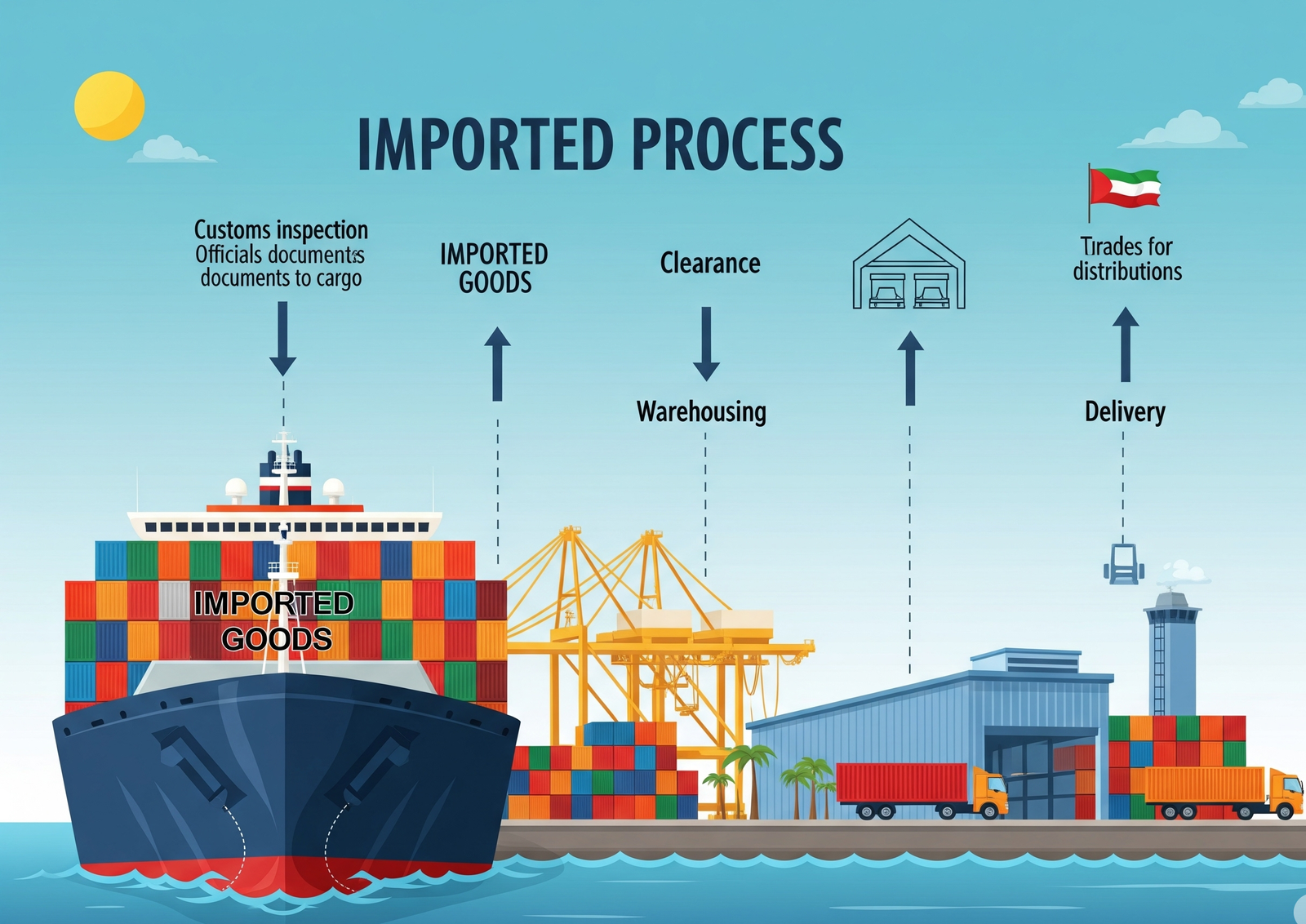
Customs Declaration Process Submit accurate customs declarations through the appropriate electronic systems, ensuring compliance with UAE customs regulations and tariff classifications.
Inspection and Release Prepare for potential physical inspections and ensure all documentation supports your declared goods to avoid delays or penalties.
Logistics and Warehousing
Storage Solutions Both Free Zone and Mainland options offer various warehousing solutions, from bonded storage to general warehouses, depending on your product requirements.
Distribution Networks Establish efficient distribution channels appropriate to your chosen setup, whether through Free Zone logistics providers or Mainland distribution partners.
Common Challenges
- Staying Updated with Regulations
- Product-Specific Requirements
- Cultural and Language Considerations
- Quality Control and Standards